Bryshere Grey’s Heartfelt Warning: Is Taraji P. Henson Being Blackballed by Hollywood?
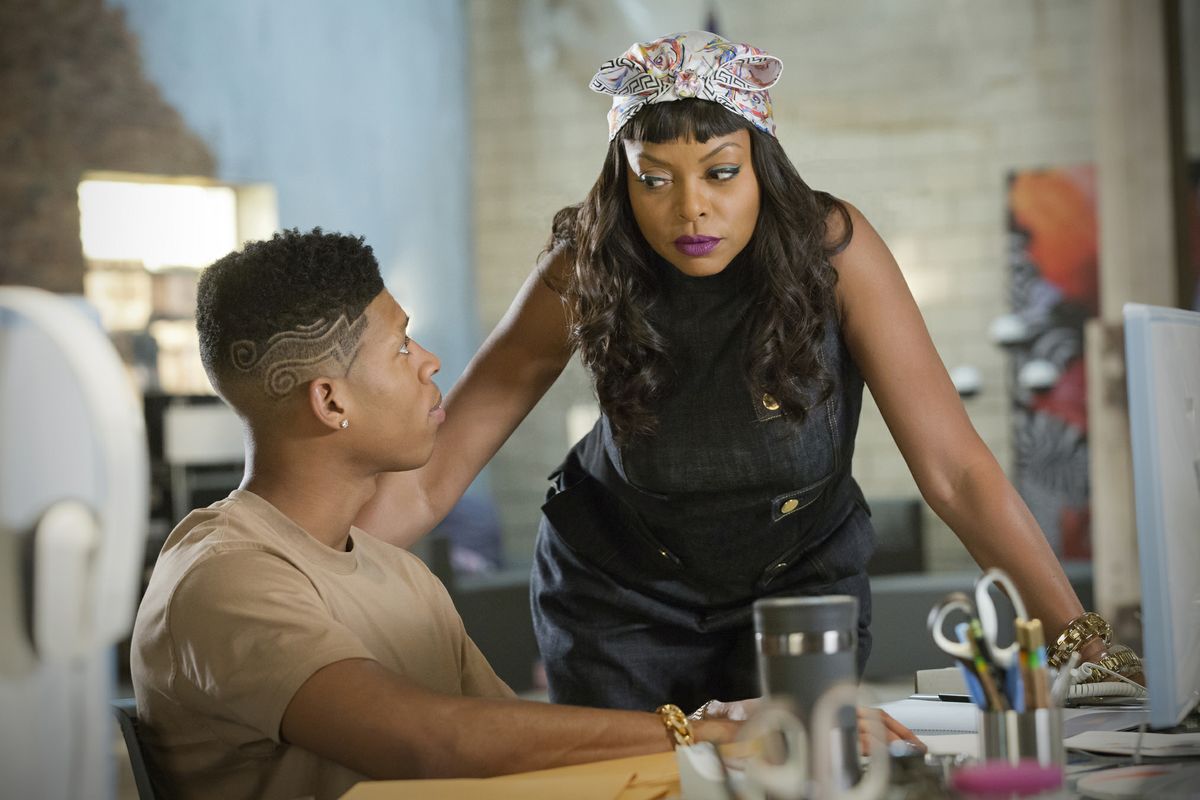
In the competitive and often unforgiving landscape of Hollywood, speaking up about inequality can come with serious professional risks. That’s the concern Bryshere Grey, best known for his role as Hakeem Lyon on the hit series Empire, recently voiced about his former co-star Taraji P. Henson. Grey has expressed genuine worry that Taraji’s bold decision to publicly address pay disparities and mistreatment in the industry—particularly during the press run for The Color Purple—might have severely damaged her career prospects. With Taraji noticeably absent from major projects since her emotional 2023 revelations, Grey’s comments have sparked renewed conversations about the challenges Black actresses face and the potential consequences of demanding fairness.
Taraji P. Henson has built an impressive resume over more than two decades, delivering memorable performances that showcase her range and depth as an actress. She broke through in 2001 with Baby Boy alongside Tyrese Gibson, followed by the critically acclaimed Hustle & Flow in 2005 with Terrence Howard. These roles should have catapulted her into leading franchise films and higher pay brackets. Instead, Taraji found herself continually fighting for recognition and fair compensation. While her male co-stars landed blockbuster deals like Transformers and Fast & Furious, she was often relegated to smaller projects, including Lifetime movies that didn’t match her growing talent and visibility.

The pattern of being undervalued persisted. In 2008, director Theodore Melfi wrote a role specifically for her in St. Vincent, only for Harvey Weinstein to allegedly intervene, pushing for Naomi Watts and claiming he couldn’t envision a Black woman in the part. Around the same time, Taraji was grossly underpaid for her role in The Curious Case of Benjamin Button. Despite earning an Oscar nomination for the film, which grossed over $300 million, she initially requested $500,000—a reasonable ask given her experience—and settled for $150,000. After taxes and team cuts, she reportedly walked away with just $40,000. The nomination brought prestige but did little to ease financial pressures, highlighting a frustrating disconnect between acclaim and compensation.
Empire marked another chapter in her career, but even there, pay battles ensued. Alongside Terrence Howard, Taraji earned $175,000 per episode despite the show being a ratings juggernaut. Their efforts to secure raises met resistance, leading Terrence to sue their agency for alleged conflicts of interest. Taraji eventually fired her team, signaling deep dissatisfaction with how her career was being managed. These experiences built up over years, culminating in her raw outpouring during The Color Purple promotional tour.

In heartfelt interviews, Taraji expressed exhaustion with working hard, delivering with grace, and still receiving a fraction of her worth. She noted no significant income raise since Proud Mary and nearly walked away from The Color Purple due to lowball offers. Her frustrations extended beyond money to basic working conditions. On set in Atlanta, the cast—mostly Black women—were given rental cars and expected to drive themselves, raising safety concerns amid rising crime. Taraji pushed back, questioning the insurance liability and requesting drivers or security, only to be told it would have to apply to everyone. Similar issues arose with trailers infested with bugs on Empire and inadequate food and shared facilities on The Color Purple, prompting other cast members like Danielle Brooks and Felicia Pearl Mpofu to speak up.
Oprah Winfrey’s involvement in The Color Purple added another emotional layer. As a Black woman who overcame tremendous odds, many expected her to advocate strongly for the cast. Instead, Taraji and others felt the production fell short on support. Danielle Brooks publicly credited Taraji as their “voice box” for pushing changes, while Oprah appeared defensive in joint interviews, claiming she addressed issues once informed. Felicia’s subtle social media posts about not being invited to events like the Golden Globes further hinted at tensions behind the scenes.
Taraji’s willingness to shine a light on these issues resonated deeply with audiences and fellow artists, igniting important dialogues about equity, representation, and the unique hurdles Black women navigate in entertainment. However, it may have also ruffled feathers among powerful executives. Bryshere Grey, who faced his own setbacks including allegations and subsequent blackballing that led him to OnlyFans for income, understands the industry’s unforgiving nature. His concern for Taraji stems from observing her reduced presence in major projects since speaking out, suggesting possible repercussions for challenging the status quo.
Taraji herself has acknowledged the toll. In recent interviews, she admitted feeling frustrated to the point of bitterness, prompting a much-needed retreat to Bali for mental and emotional reset. She returned refreshed but the experience underscored how draining the fight can be. Her story isn’t isolated—many actors of color have shared similar accounts of being undervalued, typecast, or sidelined after advocating for themselves.
The broader implications are significant. Hollywood often touts diversity and inclusion, yet systemic pay gaps and unequal treatment persist. Taraji’s point about Black women “jumping hurdles” only to be paid less and labeled angry when voicing concerns rings true for many. Her career trajectory—from Oscar-nominated supporting roles to leading TV dramas—demonstrates exceptional talent that deserves better opportunities and compensation. Franchise films, the real money-makers, have largely eluded her despite proven box office draw.
Bryshere’s public worry adds weight because of his insider perspective from Empire. Having navigated personal and professional storms, his perspective carries authenticity. It also humanizes the industry’s harsh realities: success is fleeting, and rocking the boat can lead to isolation. Supporters online have rallied around Taraji, praising her brilliance and urging her not to quit, while others debate whether public call-outs help or hinder progress.

This situation invites reflection on what true support looks like in Hollywood. Will Taraji’s honesty pave the way for better conditions for those coming behind her, as she hoped? Or will it serve as a cautionary tale that discourages others from speaking up? Her legacy extends beyond any single role—she has inspired countless fans with her resilience, vulnerability, and commitment to authenticity.
As Bryshere Grey watches from the sidelines, his concern highlights a troubling truth: talent alone isn’t always enough when politics and power dynamics interfere. Taraji P. Henson’s journey reminds us that behind the red carpets and accolades are real people fighting for dignity and fairness. Whether her career rebounds stronger or faces continued challenges, her courage in addressing these issues has already sparked meaningful change in conversations around equity. The industry—and audiences—would benefit from heeding the lessons in her story rather than punishing the messenger. For now, fans continue rooting for her next chapter, hoping it brings the recognition and opportunities she has long deserved.